Patient Education Chatbot: Improving Health Literacy Through AI
Dr. Razak handed Mrs. Ng a stack of papers about managing her newly diagnosed Type 2 diabetes. Medication schedules. Diet guidelines. Blood sugar monitoring instructions. Exercise recommendations. Warning signs.
Mrs. Ng nodded politely, took the papers, and went home.
Three weeks later, she was in the ER with dangerously high blood sugar. She hadn't been taking her medication correctly—she thought the "twice daily" instructions meant whenever she remembered, not at specific times. The diet guidelines were in English; she read mostly Mandarin. The blood sugar monitoring brochure was still in its plastic wrapper.
"We told her everything," Dr. Razak said, frustrated. "How did this happen?"
The answer is simple: information isn't education. And handing someone a stack of papers isn't teaching.
The Education Gap That's Harming Patients
Here's an uncomfortable statistic: patients forget 80% of medical information within 24 hours of leaving a healthcare encounter. And of what they remember, nearly half is recalled incorrectly.
The consequences are severe:
| Outcome | Impact of Low Health Literacy |
|---|---|
| Hospitalization | 2x more likely |
| Medication adherence | 50% lower compliance |
| Chronic disease control | Poor glucose, BP management |
| Emergency visits | 3x higher utilization |
| Healthcare costs | $106-238 billion annually |
Traditional patient education is failing. Clinicians have 15 minutes average per visit. Brochures are generic. Information arrives at overwhelming moments. And patients—especially elderly patients, non-native speakers, and those with chronic conditions—suffer the consequences.
What If Education Came to Patients?
Let me show you a different scenario for Mrs. Ng:
Day 1 (After Diagnosis)
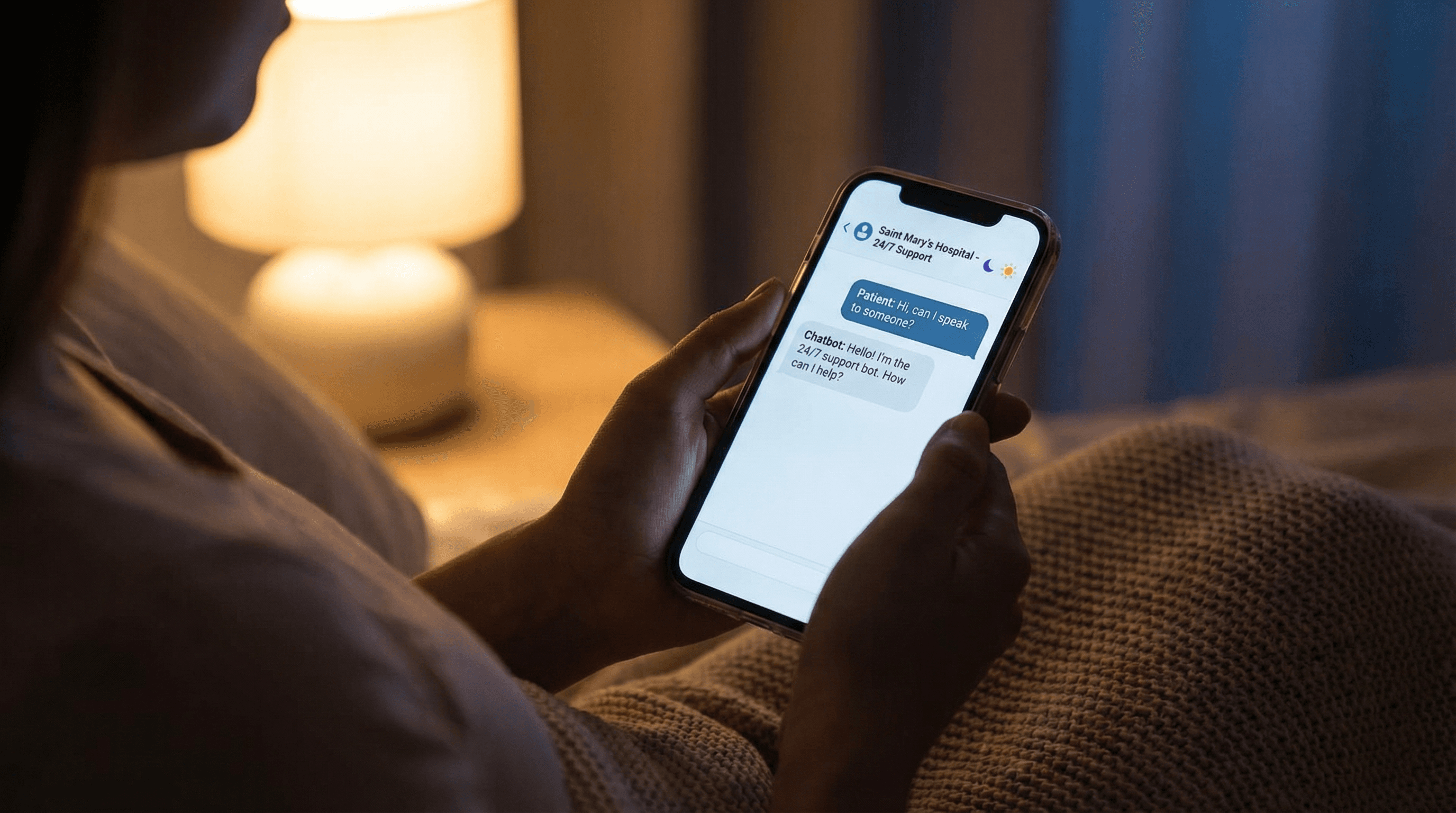
WhatsApp message at 7 PM:
"Hi Mrs. Ng! Dr. Razak asked me to help you understand your new diabetes diagnosis. I know it can feel overwhelming—but you're not alone, and managing diabetes is absolutely possible. Ready to learn a bit about what diabetes means? (Available in 中文 too!)"
She switches to Mandarin. The AI continues in her native language, explaining what diabetes is in simple terms, with a short video showing how the body processes sugar.
Day 3
The AI checks in about blood sugar monitoring:
"你好 Mrs. Ng! Have you tried using your glucose monitor yet? Many patients find the first time a bit tricky. Would you like me to walk you through the steps?"
She replies that she's confused about when to test. The AI sends a simple graphic showing morning, before meals, and bedtime—adapted to her specific medication schedule.
Day 7
"Mrs. Ng, how's it going with testing? What was your morning reading today?"
"168"
"That's helpful information! After a week, Dr. Razak will look at your patterns to adjust if needed. Remember: the goal is understanding your body, not perfection. Any questions about what you're seeing?"
Day 14, 21, 30...
Education continues—gradually, in her language, at her pace. Diet tips arrive when it's time to think about meals. Medication reminders reinforce proper timing. Warning signs are explained before they become emergencies.
Three months later, Mrs. Ng's blood sugar is under control. She never went to the ER. She understands her condition.
Same information. Completely different outcome.
Why AI Education Works When Brochures Don't
1. Right Time, Right Place
Patients don't need to know everything on Day 1. They need to know what matters today, then what matters tomorrow.
AI delivers education in sequences that match the patient journey:
- Pre-procedure: Preparation instructions 7 days, 3 days, 1 day before
- Post-diagnosis: Basics first, then depth over weeks
- Medication start: How to take it today, side effects to watch this week, long-term management next month
2. Native Language, Plain Language
Mrs. Ng's brochure was in English. The AI spoke to her in Mandarin.
But language isn't just translation—it's also reading level. AI adapts complex medical concepts into simple terms:
Medical: "Administer insulin subcutaneously 30 minutes before the first meal of the day."
Plain language: "Give yourself the insulin shot in your belly or thigh, half an hour before you eat breakfast."
Same instruction. One is confusing. One is clear.
3. Conversation, Not Monologue
Brochures don't answer questions. AI does.
When Mr. Ahmad asks "Can I still eat rice?", a brochure can't respond. AI can explain how rice affects blood sugar, suggest portion sizes, mention lower-glycemic alternatives, and ask if he has more concerns.
This interactive engagement drives comprehension—not just exposure.
4. Verification and Reinforcement
AI doesn't just deliver information. It checks understanding.
"Mr. Ahmad, before your colonoscopy tomorrow, what will you have for dinner tonight?"
"Normal food?"
"Actually, you'll want to stick to clear liquids—things like clear broth, tea without milk, or jello. Nothing solid after noon. Does that make sense, or should I explain more?"
This teach-back approach catches misunderstandings before they cause problems.
Real Applications That Are Working Now
Pre-Colonoscopy Preparation
One of the most common reasons for colonoscopy cancellation? Poor bowel preparation. Patients didn't follow instructions correctly.
AI education approach:
- Day -7: Overview of why the prep matters
- Day -5: Diet modification starts (what you can and can't eat)
- Day -2: Prep kit explanation with video
- Day -1: Hour-by-hour timeline with reminders
- Day 0: Final confirmation, what to bring, what to expect
Results from hospitals using this:
- 40% improvement in prep quality
- 25% reduction in cancelled procedures
- 30% reduction in incomplete colonoscopies
Cardiac Surgery Recovery
Patients leaving the hospital after heart surgery receive mountains of paper. Most don't read it. Some don't understand it. Some forget critical warning signs.
AI education approach:
- Discharge day: Core instructions via WhatsApp (don't overwhelm)
- Day 1 home: Medication schedule review
- Day 3: Incision care, normal vs. concerning symptoms
- Day 7: Activity guidelines, what you can and can't do
- Day 14: Check-in on recovery, address concerns
- Day 30: Prepare for follow-up appointment
Results:
- 20% reduction in 30-day readmissions
- 35% improvement in follow-up attendance
- Patients report feeling "cared for" even after leaving hospital
New Medication Starts
When patients start blood thinners, they receive pages of warnings about bleeding risks, drug interactions, and dietary restrictions. Overwhelming—and often ignored.
AI education approach:
- Day 1: Why this medication matters (the "why" before the "how")
- Day 2: How to take it correctly (timing, with/without food)
- Day 4: What side effects are normal vs. concerning
- Day 7: Drug and food interactions to watch
- Ongoing: Weekly check-ins, reminder when refills needed
Results:
- 35% improvement in adherence
- Fewer adverse events
- Reduced medication-related ER visits
Building an Education Program That Works
Content Principles
Plain language always:
- Aim for 6th-grade reading level
- Short sentences (under 15 words)
- One concept per message
- Active voice ("Take your medicine" not "Medicine should be taken")
Multimedia when helpful:
- Images for anatomy and procedures
- Short videos for demonstrations (injections, exercises)
- Audio for accessibility
- Infographics for complex topics
Cultural competency:
- Appropriate dietary examples (rice, not just bread)
- Family involvement norms
- Religious considerations (fasting, dietary restrictions)
- Local health beliefs acknowledged
Conversation Design
Opening: Warm, permission-based
"Hi Mr. Chen! I'm here to help you understand what to expect before your knee surgery. Ready to get started, or would another time work better?"
Core delivery: Chunked, interactive
Information → Check-in → Question handling → Next chunk
Never a wall of text. Always a dialogue.
Closing: Clear next steps
"That's what you need to know about today's prep. Tomorrow I'll send you information about the day of surgery. Any questions before then?"
Measuring What Matters
Track these to prove education is working:
Knowledge Metrics
- Pre/post quiz scores
- Teach-back success rate
- Question patterns (what are patients confused about?)
Behavior Metrics
- Medication adherence rates
- Appointment attendance
- Self-care compliance (blood sugar testing, exercise logging)
Outcome Metrics
- Disease control (HbA1c, blood pressure, etc.)
- Complication rates
- Readmission rates
- ER visits
Engagement Metrics
- Education completion rates
- Response rates to AI messages
- Time to respond
- Repeat usage
The Bottom Line
Mrs. Ng didn't fail. The system failed her.
When we hand patients a stack of papers and expect them to learn on their own—while they're anxious, overwhelmed, and processing a new diagnosis—we're setting them up to fail.
AI patient education delivers the right information, at the right time, in the right language, at the right pace. It doesn't replace clinicians—it extends them into patients' lives where learning actually happens.
Bot MD provides AI-powered patient education that:
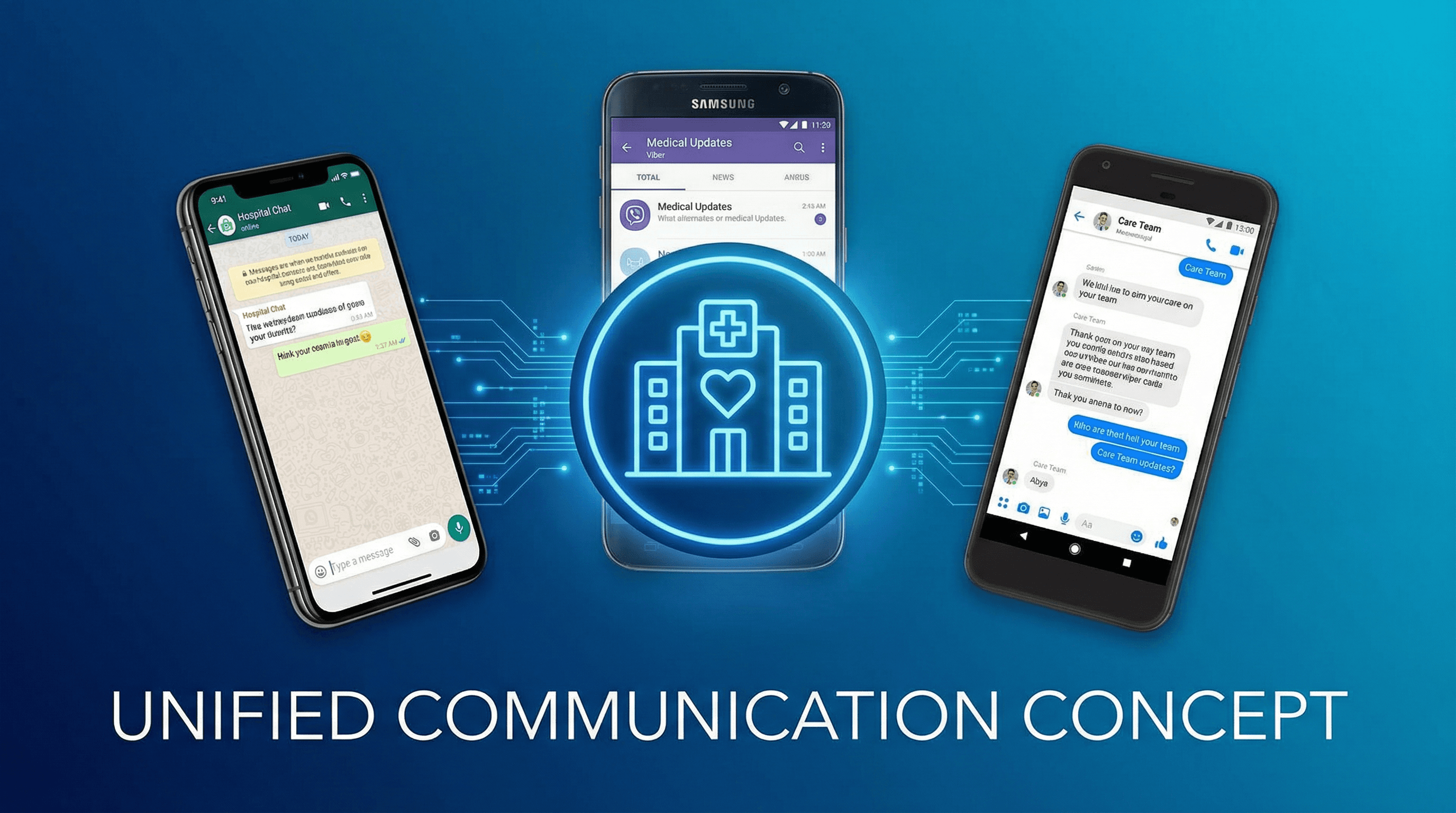
- Reaches patients on WhatsApp, Messenger, SMS—wherever they actually are
- Delivers education in sequences matched to the care journey
- Speaks patients' languages—literally and figuratively
- Checks understanding through interactive dialogue
- Connects to clinical systems for personalized, context-aware education
Book a demo to see how hospitals are transforming patient education from paper handouts to personalized learning journeys.
Mrs. Ng's next diagnosis doesn't have to end in the ER. Neither does your patients'.